Decide what you want the shower to improve
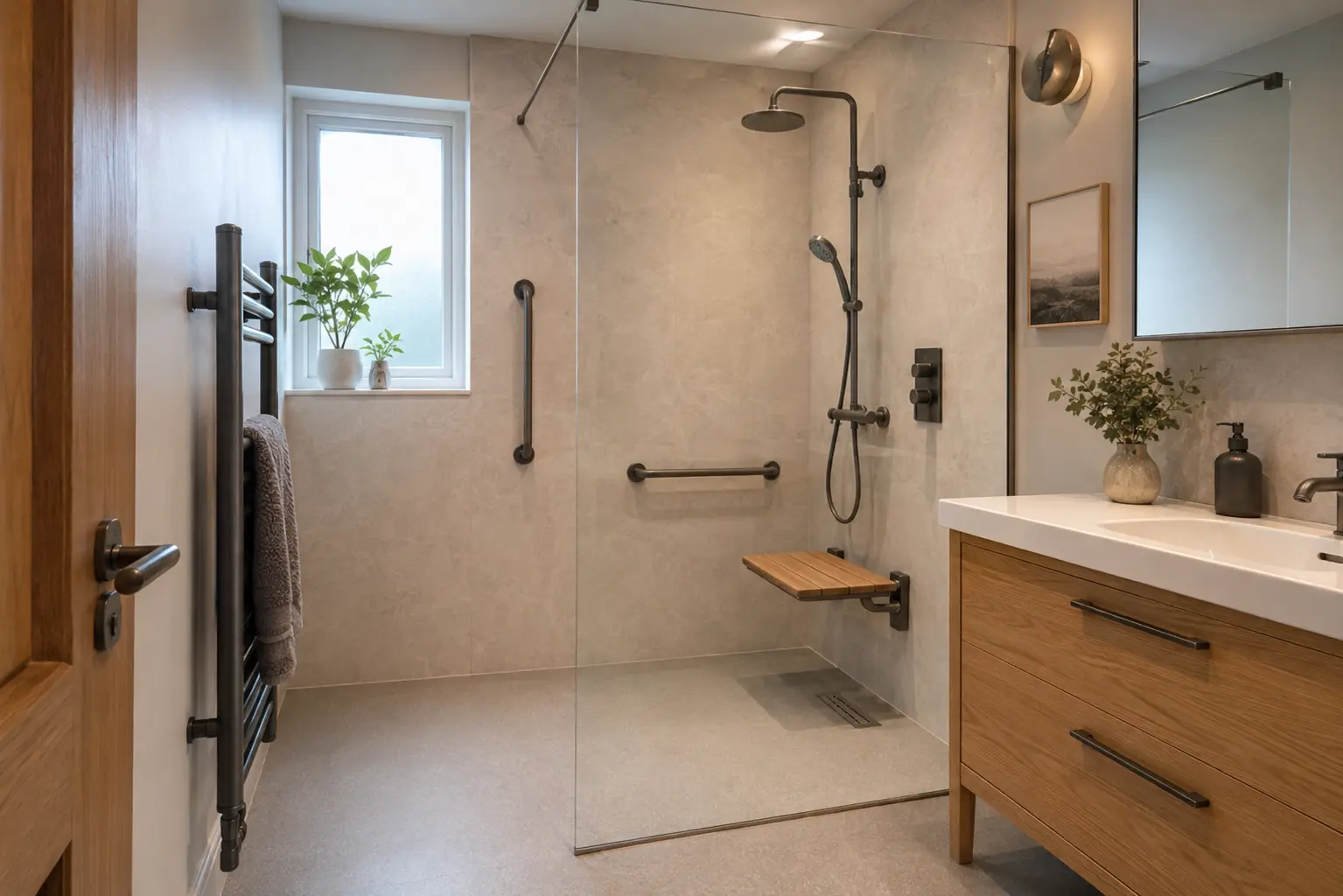
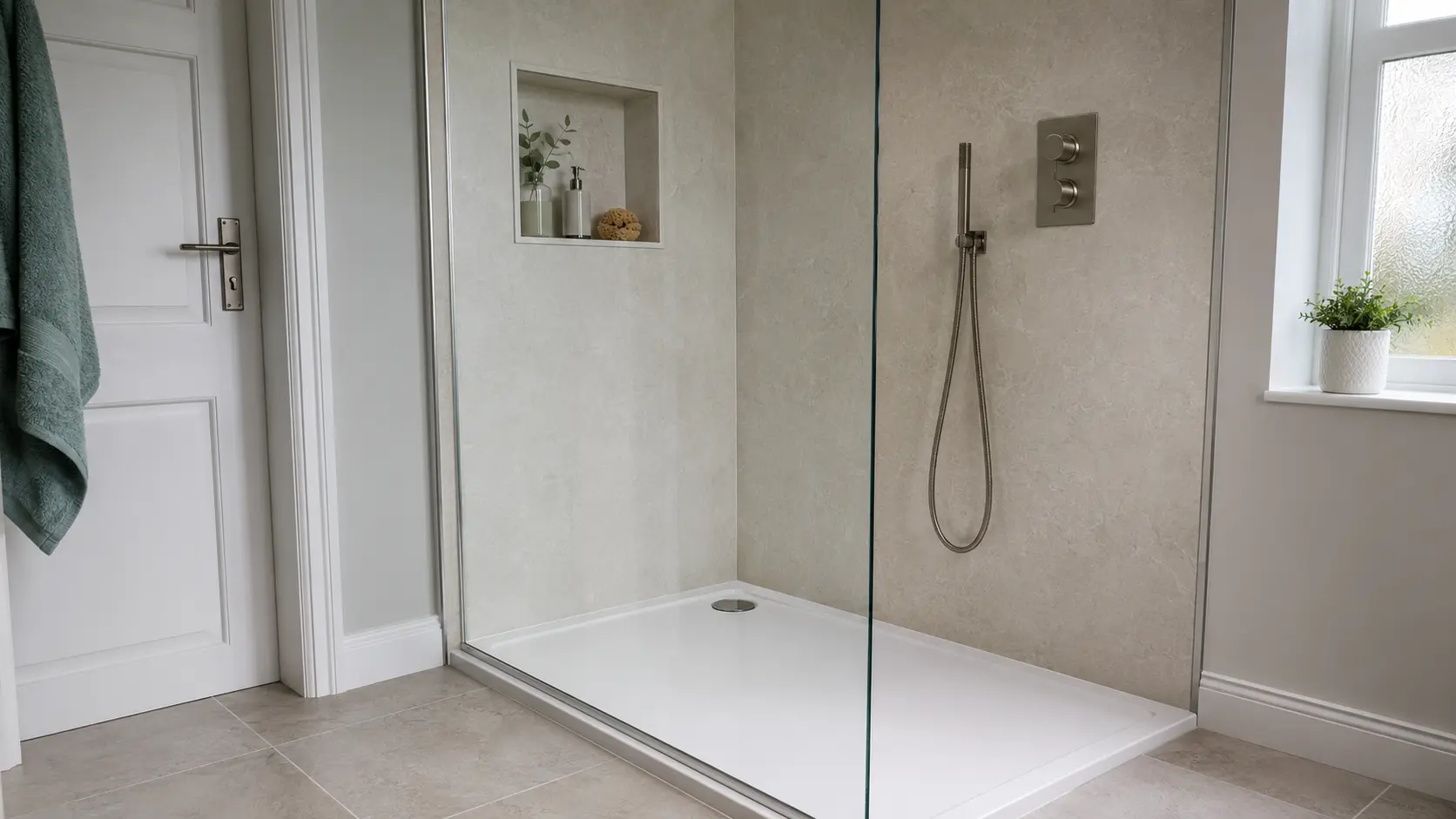
A bath-to-shower conversion can make sense when the bath is rarely used or difficult to step into. Begin with the reason for the change. You may want a larger washing area, easier access, less cleaning around a bath screen or room for a seat. These needs will affect the tray, entrance and controls.
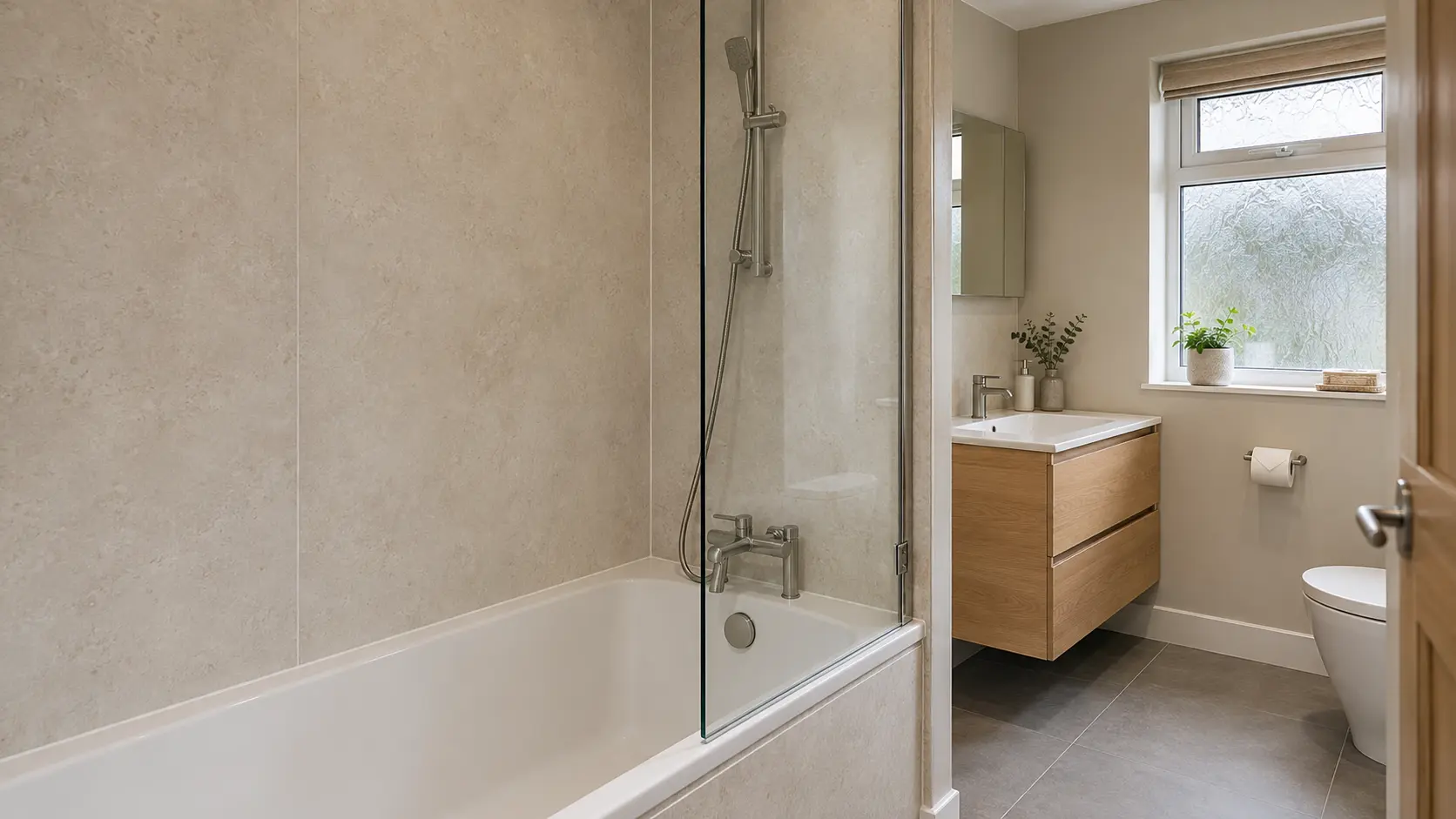
Think about everyone who uses the bathroom. Removing the only bath changes the choices available to the household. That may be perfectly suitable, but it should be a deliberate decision rather than something discovered after the work is booked. If you still need a bath occasionally, discuss whether a better shower-over-bath arrangement would solve the main problem.
Write down what is awkward now. A high bath side, a narrow standing area and a leaking screen are different issues. Explaining them separately helps the fitter design a replacement that improves daily use rather than simply changing how the room looks.
Check what is under and behind the bath
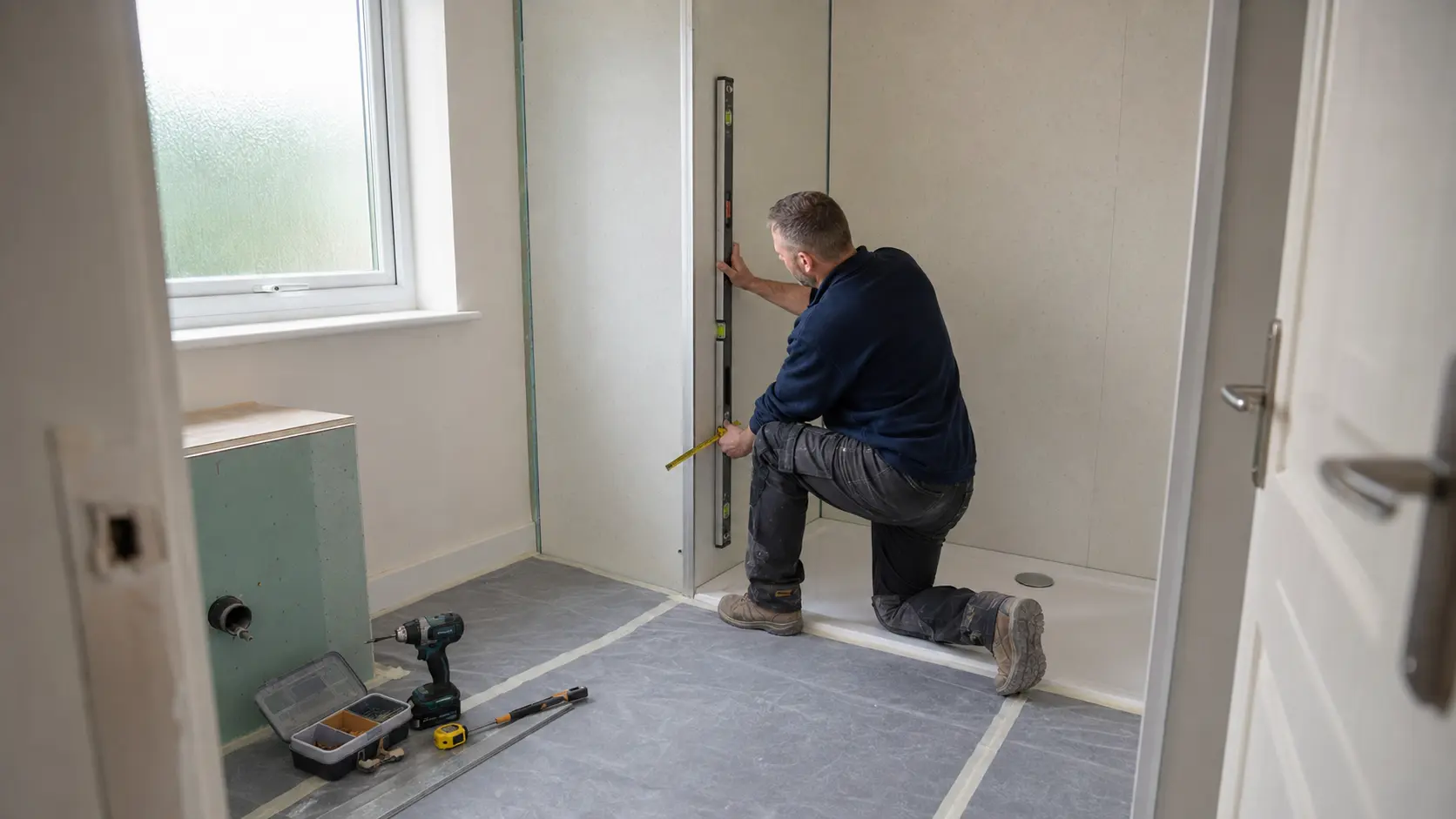
The old bath hides parts of the wall, floor and pipework. Those areas may need preparation before a shower tray can be fitted. There may be no finished flooring under the bath, and the wall tiles may stop at its edge. Allow for matching or replacing the surrounding finishes in the quote.
The fitter also needs to check the waste connection and the condition of the floor. A low tray cannot be promised just from the height shown in a product photograph. The waste needs a workable route, and its position can affect how the tray is supported and how high it sits.
Some details only become visible after removal. Agree how any additional damage will be explained and priced before extra work goes ahead. A clear arrangement is more useful than an unrealistic promise that an old bathroom can never reveal an unexpected repair.
Choose the tray and entrance together
A tray close to the old bath size can provide a generous showering area, but the entrance must still work around the basin and toilet. Look at where you will stand to enter, where your towel will hang and whether the controls can be reached before stepping into the water.
A fixed screen leaves an open entrance. It needs enough length and a suitable shower head position to contain normal spray. A hinged return panel can help in some layouts, while another room may need a full door. The correct answer depends on the dimensions and how the shower is used.
Check the actual step at the entrance. Low-profile, low-access and level-access are not interchangeable promises. If access is the main reason for removing the bath, ask the fitter to explain the finished level and any remaining threshold before choosing the products.
For help with your plans, see Walk-in Shower Installation in Bangor. At your home appointment, we check the room and the work needed before preparing your quote.
Plan storage, support and controls early
A bottle shelf should be reachable without bending to the tray floor. It must not block the entrance or the space where you turn. Recessed shelves need suitable wall depth and waterproofing, so they should be part of the original design rather than added after the wall panels or tiles are fitted.
A seat or support rail also needs planning. Its position must suit the person using it, and its fixings need proper support. Do not assume that a decorative rail or glass screen handle can take a person’s weight. If individual access needs are complex, advice from an occupational therapist may be useful.
The shower controls and water supply need checking together. Moving the controls can improve reach but may require pipework changes. The installer should confirm that the chosen shower is compatible with the home’s supply and explain the work needed to fit it.
Include the surrounding bathroom in the quote
Removing a bath changes more than the washing area. The new screen may meet a different part of the wall, the old tap holes may disappear, and the floor may need extending. A narrow strip of unmatched tiles can make an otherwise good shower look unfinished.
Ask for the wall coverage and floor work to be described clearly. The quote should identify the shower tray, screen, controls and finishes, plus removal, preparation and waste disposal where included. Check whether electrical work, ventilation changes or decorating are part of the price.
Allow for the room to be unavailable while the work is done and sealants and other materials dry and harden. Confirm when the shower can first be used rather than assuming it is ready as soon as the fitting appears complete. Product instructions can require waiting time even after the installer has finished working.
Read our related guide: Walk-in Shower Versus Wet Room
Check the finished shower before handover
At handover, ask how to clean the tray, glass and wall finish. Keep the product details and instructions somewhere accessible. Different finishes can need different cleaners, and a general bathroom spray may not suit every surface.
Check that the door or return panel moves properly, the controls are understandable and the storage is reachable. Raise any concerns about water escaping or drainage with the fitter. Learning how the shower is intended to work is part of making the conversion useful.
For a Bangor home appointment, photographs of the current bath and nearby fittings are a helpful starting point. The final proposal still needs the room measured and the drainage assessed. The result should be a shower you can enter, use and clean comfortably, with the surrounding bathroom properly finished.